Understanding electrical systems can seem daunting, but with the right resources, it becomes much easier. One essential aspect of this is learning about three-phase wiring, which is commonly used in industrial and commercial settings.
Three-phase wiring offers several advantages over single-phase systems, including increased efficiency and power delivery. This makes it a popular choice for powering heavy machinery and large electrical loads.
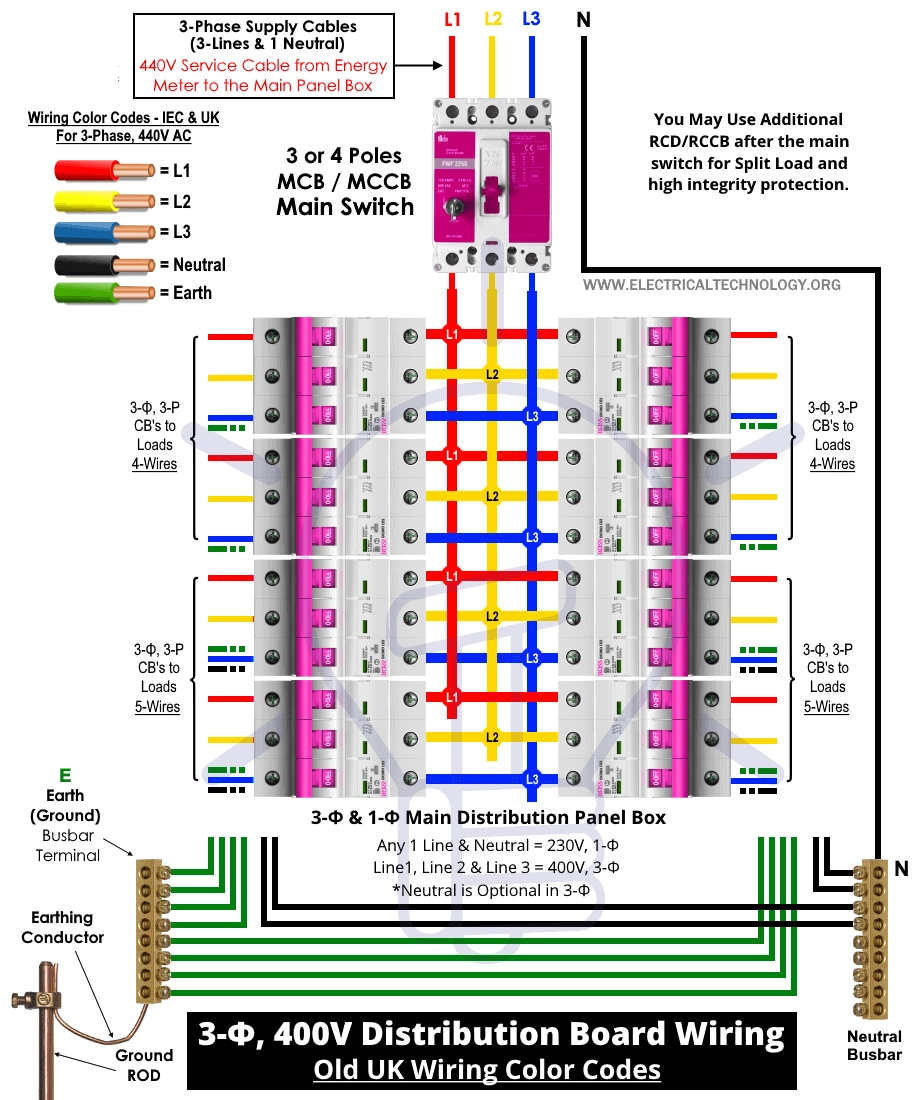
Diagram 3 Phase Wiring
Diagram 3 Phase Wiring
A diagram of 3 phase wiring typically illustrates how three alternating currents work together. Each phase is offset by 120 degrees, ensuring a constant power supply and smoother operation of equipment.
When examining a diagram, you’ll notice three wires representing the phases and a neutral wire. This configuration helps balance the load, reducing the risk of overload and improving overall system reliability.
It’s important to understand the color coding used in these diagrams. Typically, the phases are represented by different colors, such as red, yellow, and blue. This color coding helps in identifying connections easily during installation or maintenance.
Learning to read a diagram of 3 phase wiring can significantly enhance your understanding of electrical systems. With practice, you’ll be able to troubleshoot issues and ensure safe operation of your electrical equipment.
Mastering three-phase wiring concepts can empower you in various electrical projects. With the right knowledge, you can confidently tackle installations and repairs while ensuring safety and efficiency in your work.
