Understanding extension cords is essential for safe and effective use in various settings. Knowing how to read and interpret an extension cord plug wiring diagram can help you troubleshoot issues and ensure proper connections.
Extension cords are handy tools for providing power where it’s needed most. However, improper wiring can lead to safety hazards, making it crucial to familiarize yourself with the wiring diagram of your extension cord.
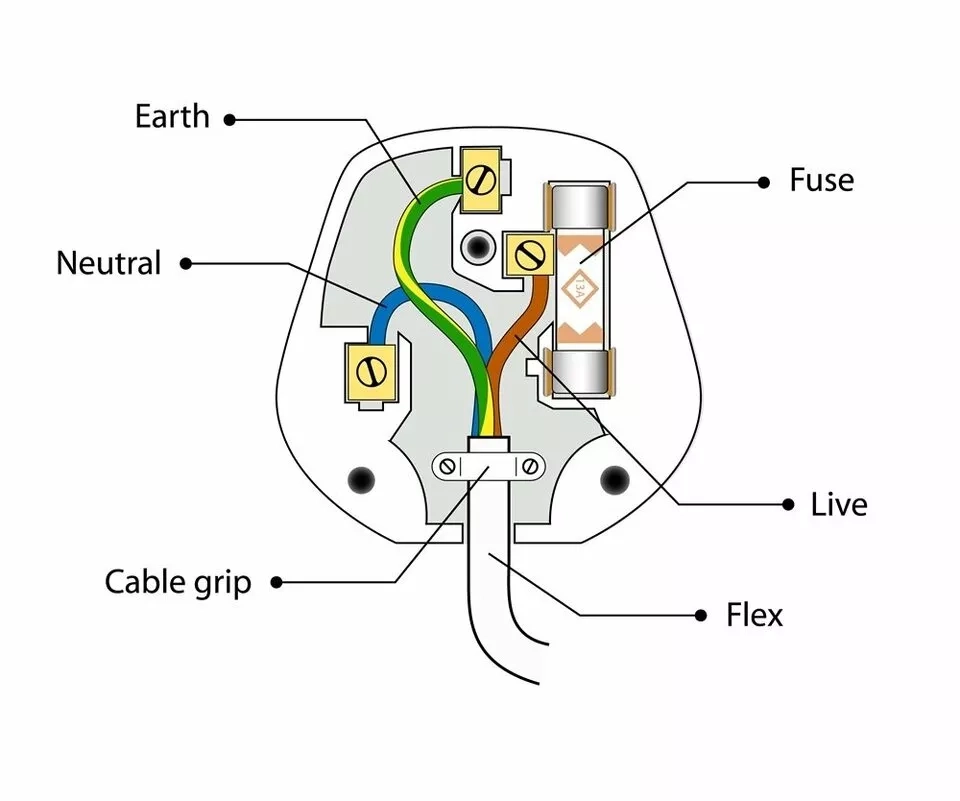
Extension Cord Plug Wiring Diagram
Extension Cord Plug Wiring Diagram
The extension cord plug wiring diagram typically includes three main components: the live wire, neutral wire, and ground wire. Each wire serves a specific purpose in ensuring safe electrical flow.
In most cases, the live wire carries the current from the power source, while the neutral wire returns it. The ground wire acts as a safety measure, directing excess current away from users and preventing electrical shocks.
When examining a wiring diagram, pay attention to color codes. Generally, black or red indicates the live wire, white represents the neutral wire, and green or bare signifies the ground wire. Understanding these colors is vital for safe connections.
Always ensure that your extension cord is rated for the devices you plan to use. Overloading an extension cord can lead to overheating and potential fire hazards. Regularly check your cords for any signs of wear or damage.
By familiarizing yourself with an extension cord plug wiring diagram and following safety guidelines, you can confidently use extension cords in your home or workspace. Stay safe and enjoy the convenience they provide!
