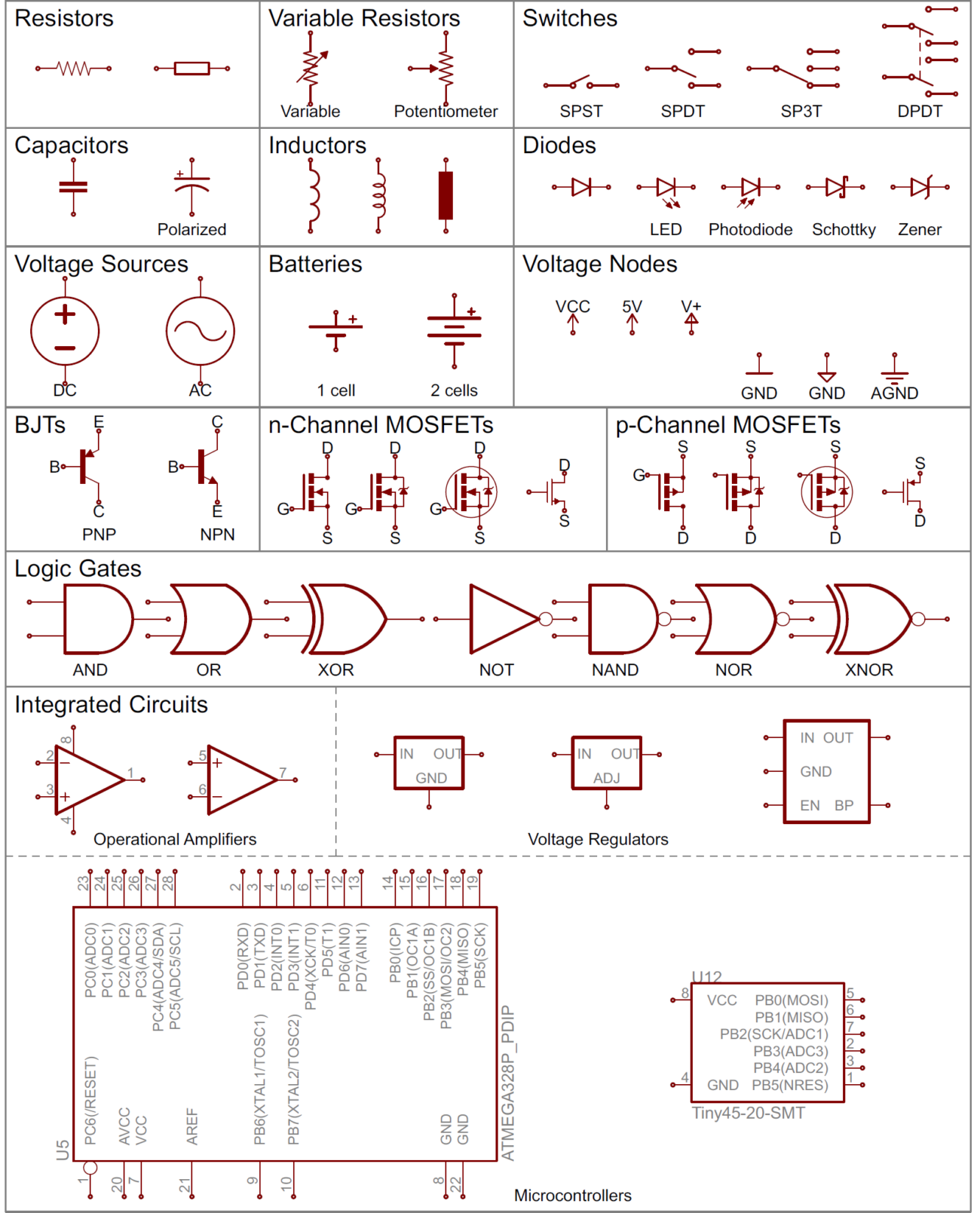
Understanding electrical wiring diagrams can seem daunting at first, but with a little practice, anyone can learn to read them. These diagrams are essential for anyone working with electrical systems, whether for home projects or professional tasks.
By familiarizing yourself with the symbols and layouts used in these diagrams, you can troubleshoot issues and plan installations more effectively. This knowledge not only boosts your confidence but also enhances your overall skills in electrical work.
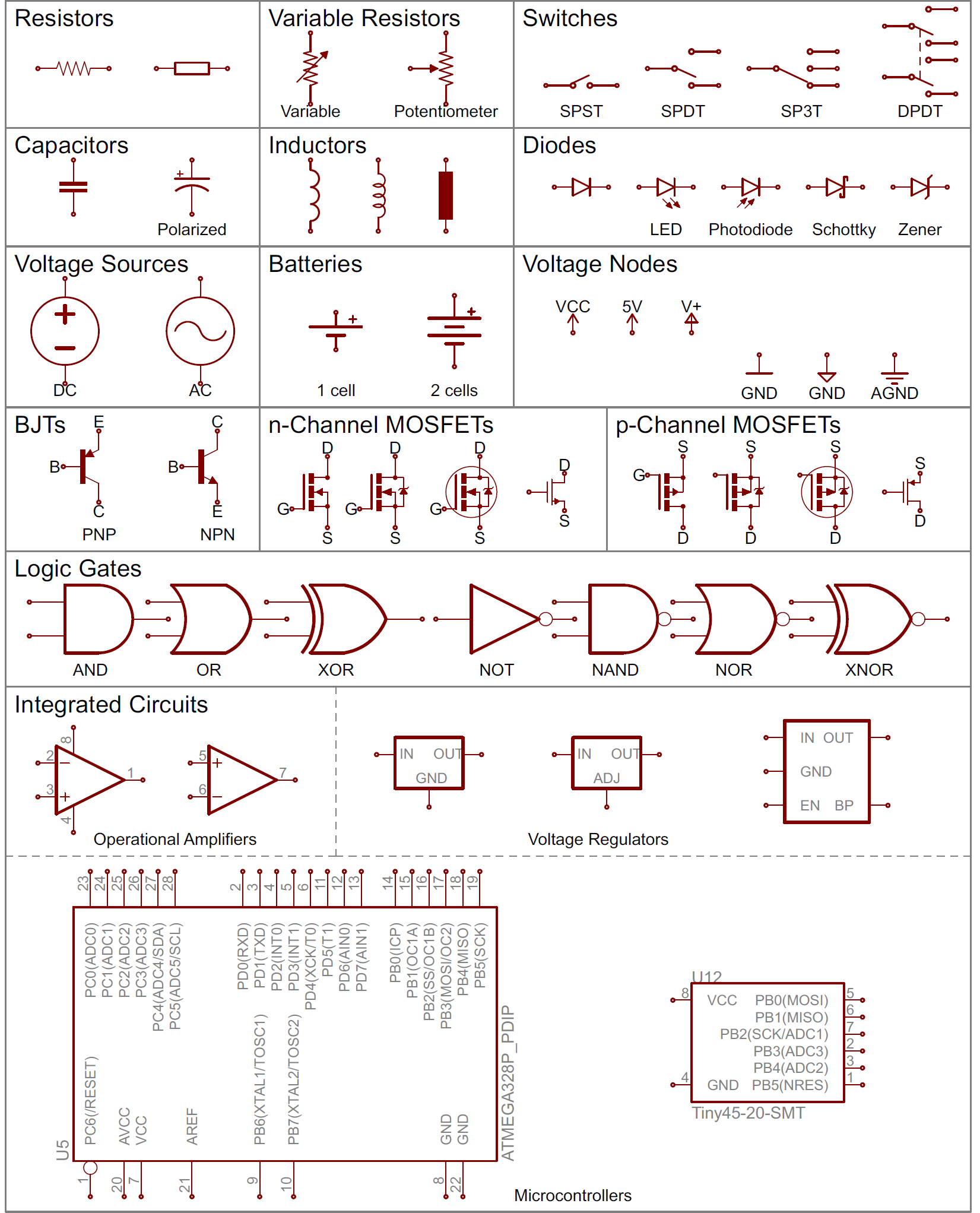
Reading Electrical Wiring Diagrams
Reading Electrical Wiring Diagrams
Electrical wiring diagrams provide a visual representation of how electrical components are connected. Each symbol represents a specific part, such as switches, outlets, or lights. Learning these symbols is the first step to mastering the diagrams.
Another important aspect is understanding the flow of electricity in the diagram. Arrows often indicate the direction of current flow, helping you visualize how power travels through the circuit. This insight is crucial for effective troubleshooting.
Additionally, pay attention to color codes and line types. Different colors may represent various wire types or functions, while solid and dashed lines can indicate different connections. Recognizing these details will improve your comprehension significantly.
With practice, reading electrical wiring diagrams becomes easier and more intuitive. Start with simple diagrams and gradually work your way up to more complex ones. This approach will build your confidence and skills over time.
Mastering electrical wiring diagrams opens up new possibilities for DIY projects and repairs. With patience and practice, you’ll find yourself navigating these diagrams like a pro in no time!
