Understanding electrical systems can be daunting, but having the right resources makes it easier. One essential tool for anyone working with electronics is a schematic and wiring diagram. These diagrams simplify complex systems into understandable visuals.
Whether you’re a hobbyist or a professional, knowing how to read these diagrams is crucial. They provide a roadmap for assembling circuits, troubleshooting issues, and ensuring safety in electrical projects.
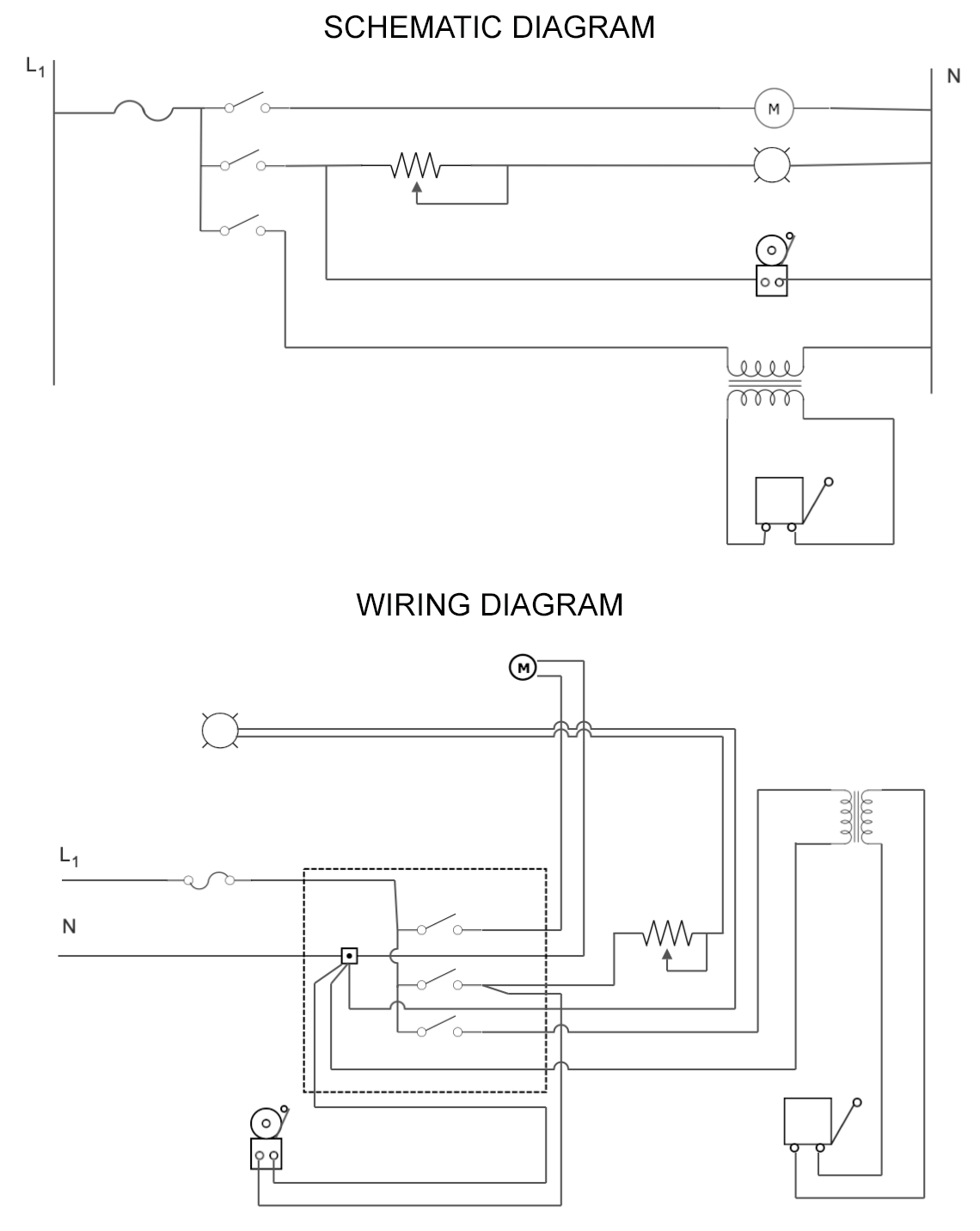
Schematic And Wiring Diagram
Schematic And Wiring Diagram
A schematic and wiring diagram serves as a visual representation of an electrical circuit. It illustrates how components are connected and the flow of electricity. This clarity helps prevent mistakes during installation or repairs.
When using these diagrams, pay attention to symbols representing different components. Each symbol has a specific meaning, making it easier to identify parts like resistors, capacitors, and switches. Familiarizing yourself with these symbols enhances your understanding.
Additionally, wiring diagrams often include color codes for wires. These codes indicate the function of each wire, such as power supply or ground connections. Following these codes ensures proper connections and reduces the risk of errors.
Incorporating a schematic and wiring diagram into your projects can save time and effort. They not only guide you through the process but also help you troubleshoot effectively when issues arise. Embrace these tools to enhance your electrical skills.
Mastering schematic and wiring diagrams opens up new possibilities in electronics. With practice, you’ll find them invaluable for both learning and executing projects efficiently. Dive in and explore the world of electrical systems with confidence!
