Understanding your vehicle’s electrical system can seem daunting, but it doesn’t have to be. With a little guidance, you can easily navigate through the intricacies of your car’s wiring, especially when it comes to turn signals.
Turn signals are essential for safe driving, signaling your intentions to other drivers. Knowing how to read a turn signal wiring diagram can help you troubleshoot issues and perform repairs effectively, ensuring your safety on the road.
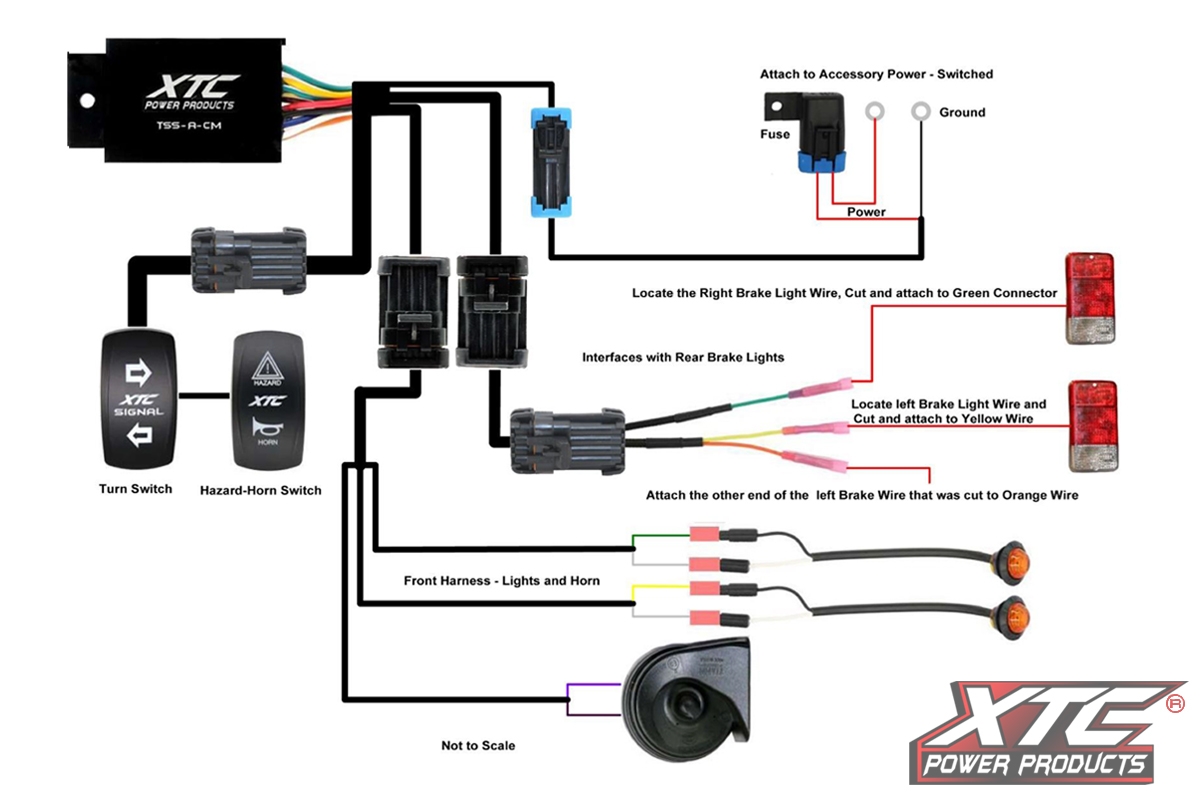
Turn Signal Wiring Diagram
Turn Signal Wiring Diagram
A turn signal wiring diagram provides a visual representation of how the turn signal system is connected. It typically includes details about the switch, bulbs, and flasher relay, making it easier to identify potential problems.
When examining a turn signal wiring diagram, pay attention to color codes. These codes indicate which wires connect to specific components, helping you avoid confusion during repairs or replacements.
Common issues with turn signals include blown bulbs or faulty relays. By using the wiring diagram, you can systematically check each component, ensuring everything is functioning correctly before hitting the road again.
In addition to troubleshooting, understanding the wiring diagram can aid in upgrading your turn signal system. Whether you’re adding LED lights or customizing your setup, knowing the basics will empower you to make informed decisions.
With a solid grasp of your vehicle’s turn signal wiring diagram, you’ll feel more confident tackling electrical issues. This knowledge not only enhances your driving experience but also promotes safer roads for everyone.
