Understanding how to wire a tachometer can enhance your driving experience. A tachometer provides real-time engine RPM readings, helping you optimize performance and fuel efficiency. Knowing how to install one is essential for any car enthusiast.
Many people find wiring a tachometer intimidating, but it doesn’t have to be. With the right wiring diagram and a bit of patience, you can easily install this useful gauge in your vehicle. Let’s break it down step by step.
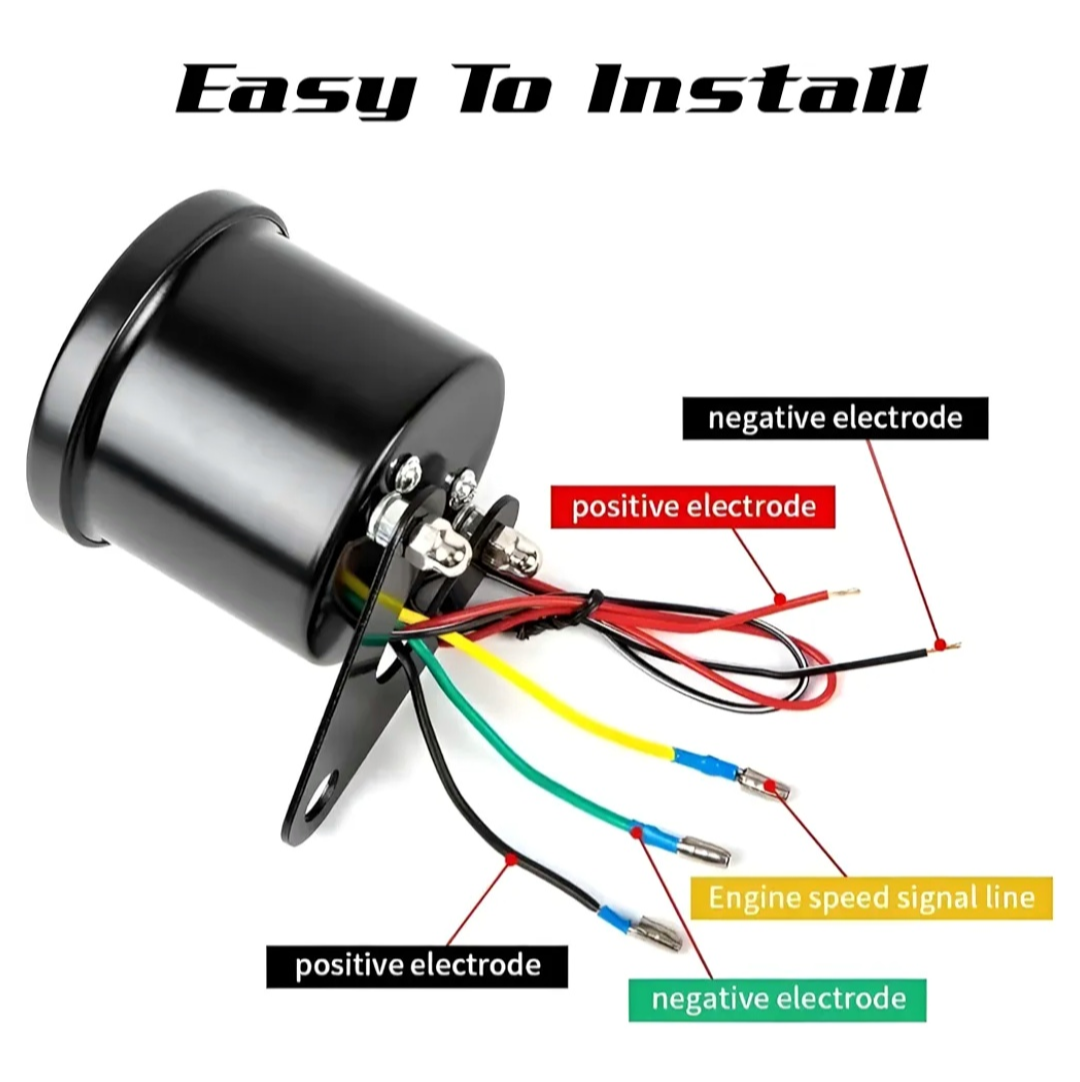
Wiring A Tachometer Diagram
Wiring A Tachometer Diagram
The first step in wiring a tachometer is gathering the necessary tools and materials. You’ll need a wiring diagram specific to your vehicle, a screwdriver, wire strippers, and electrical tape. Having everything ready makes the process smoother.
Next, locate the ignition coil in your vehicle. The tachometer typically connects to the negative terminal of the ignition coil. This connection allows the tachometer to read engine RPM accurately. Make sure to follow your wiring diagram closely for best results.
Once connected, you’ll need to power the tachometer. This usually involves connecting it to a 12-volt power source, often found in the fuse box or dashboard area. Double-check all connections to ensure they are secure and insulated.
Finally, after all connections are made, turn on your vehicle and test the tachometer. If everything is wired correctly, you should see the RPM readings on the gauge. If not, revisit your connections and consult the wiring diagram again.
Wiring a tachometer may seem challenging at first, but with careful attention to detail and the right resources, you can successfully complete the installation. Enjoy monitoring your engine’s performance with this handy tool!
