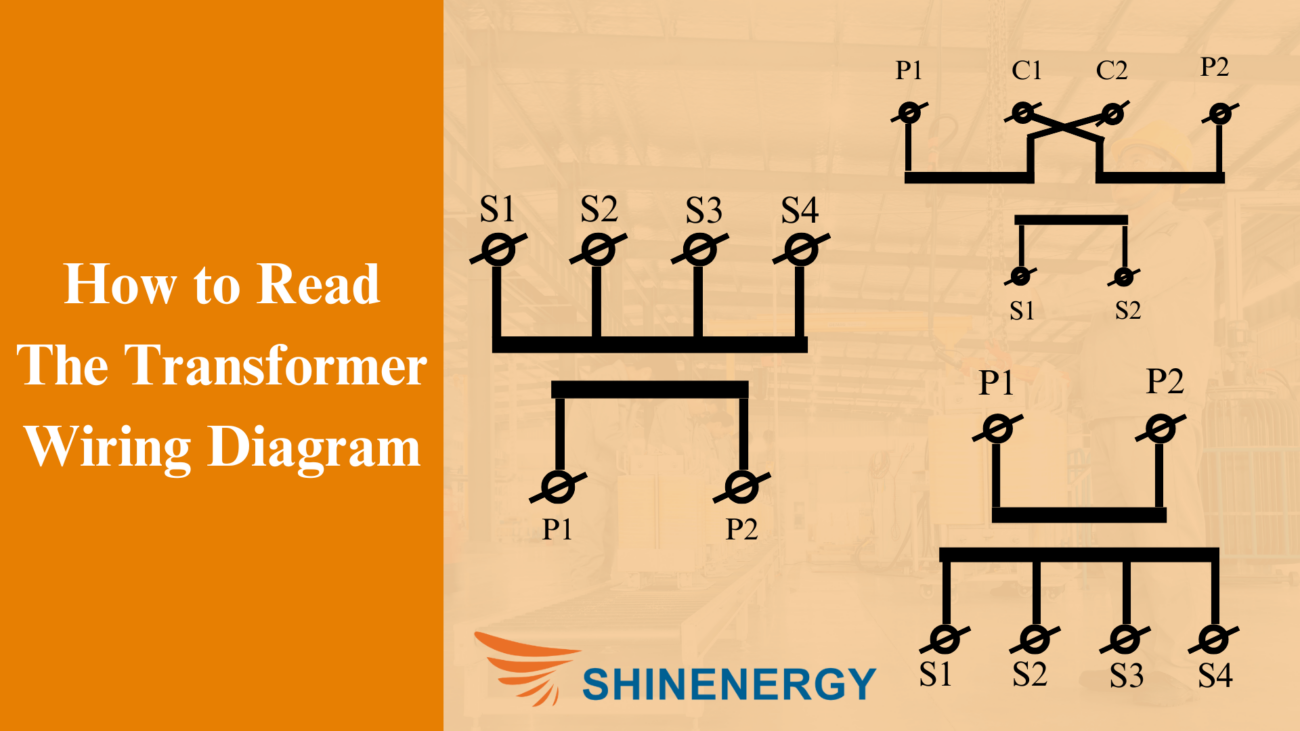
Understanding electrical components can be daunting, but it doesn’t have to be. One essential part of many electrical systems is the transformer, which helps adjust voltage levels for various applications. Knowing how to wire a transformer correctly is crucial for safety and efficiency.
A clear wiring diagram can simplify the process, making it easier for both beginners and experienced electricians. With the right guidance, you can confidently tackle transformer wiring projects without feeling overwhelmed.
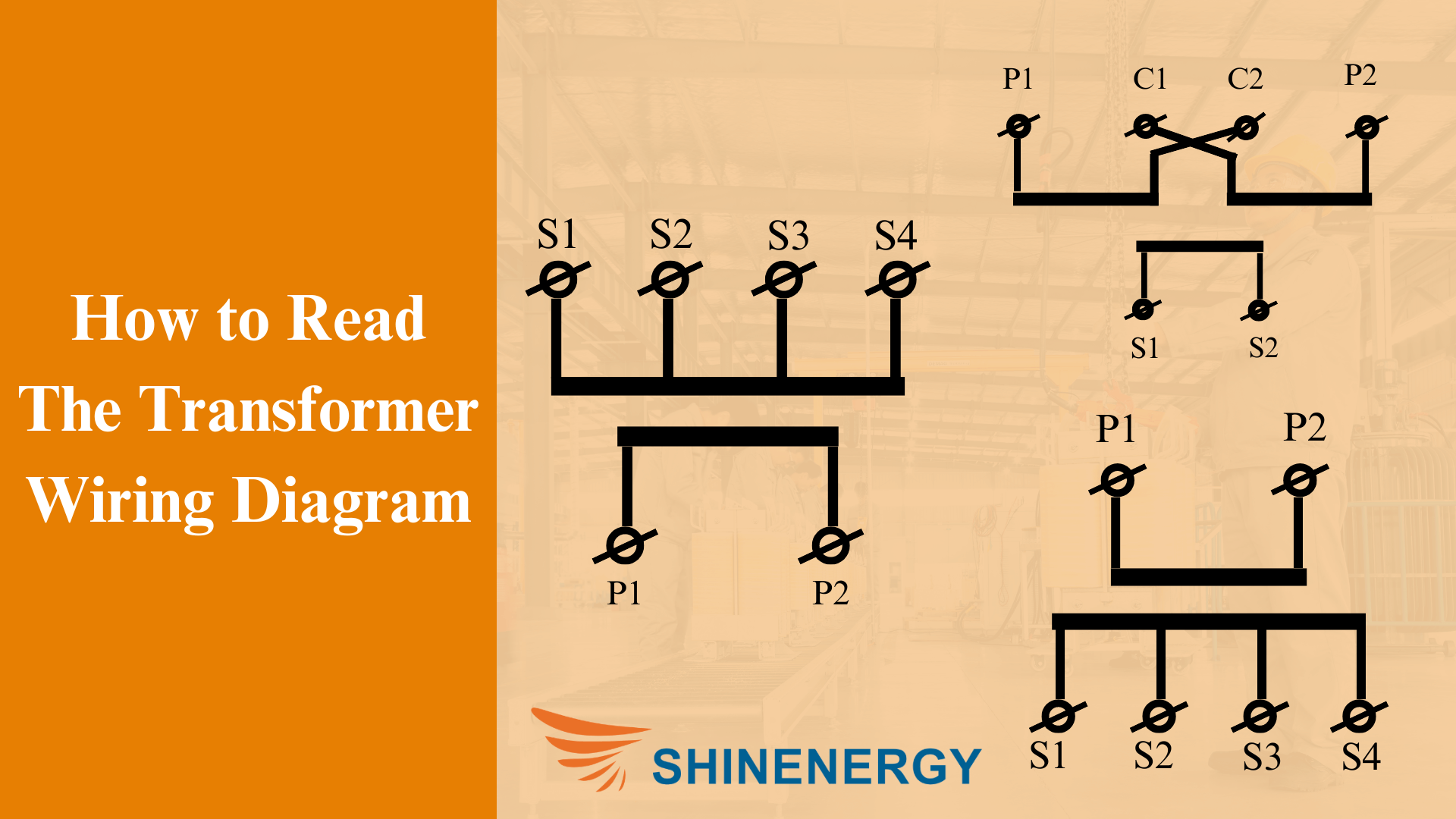
Wiring A Transformer Diagram
Wiring A Transformer Diagram
A wiring diagram for a transformer typically includes symbols representing the transformer, input, and output connections. Familiarizing yourself with these symbols is the first step toward successful installation. Each symbol has a specific meaning that helps in understanding the circuit layout.
When wiring a transformer, always ensure that you follow the manufacturer’s specifications. This includes checking voltage ratings and ensuring proper connections to avoid short circuits or equipment damage. Safety should always be your top priority.
It’s also important to consider the type of transformer you’re working with. Different transformers, such as step-up or step-down transformers, have unique wiring requirements. Understanding these differences will help you make informed decisions during installation.
Lastly, don’t hesitate to consult additional resources or seek help from professionals if you’re unsure about any steps in the process. Proper guidance can save you time and prevent costly mistakes when wiring a transformer.
With a solid understanding of wiring diagrams and safety practices, you’ll be well-equipped to handle transformer installations confidently. Embrace the learning process, and soon you’ll find it much easier to work with electrical systems.
