Understanding electrical systems can be daunting, especially when it comes to relays. A relay is a crucial component in many circuits, acting as a switch that opens or closes based on an electrical signal. Knowing how to read a wiring diagram can simplify this process.
Wiring diagrams provide a visual representation of how components are connected. They help you troubleshoot issues and ensure everything is wired correctly. Familiarizing yourself with these diagrams is essential for anyone working with electrical systems.
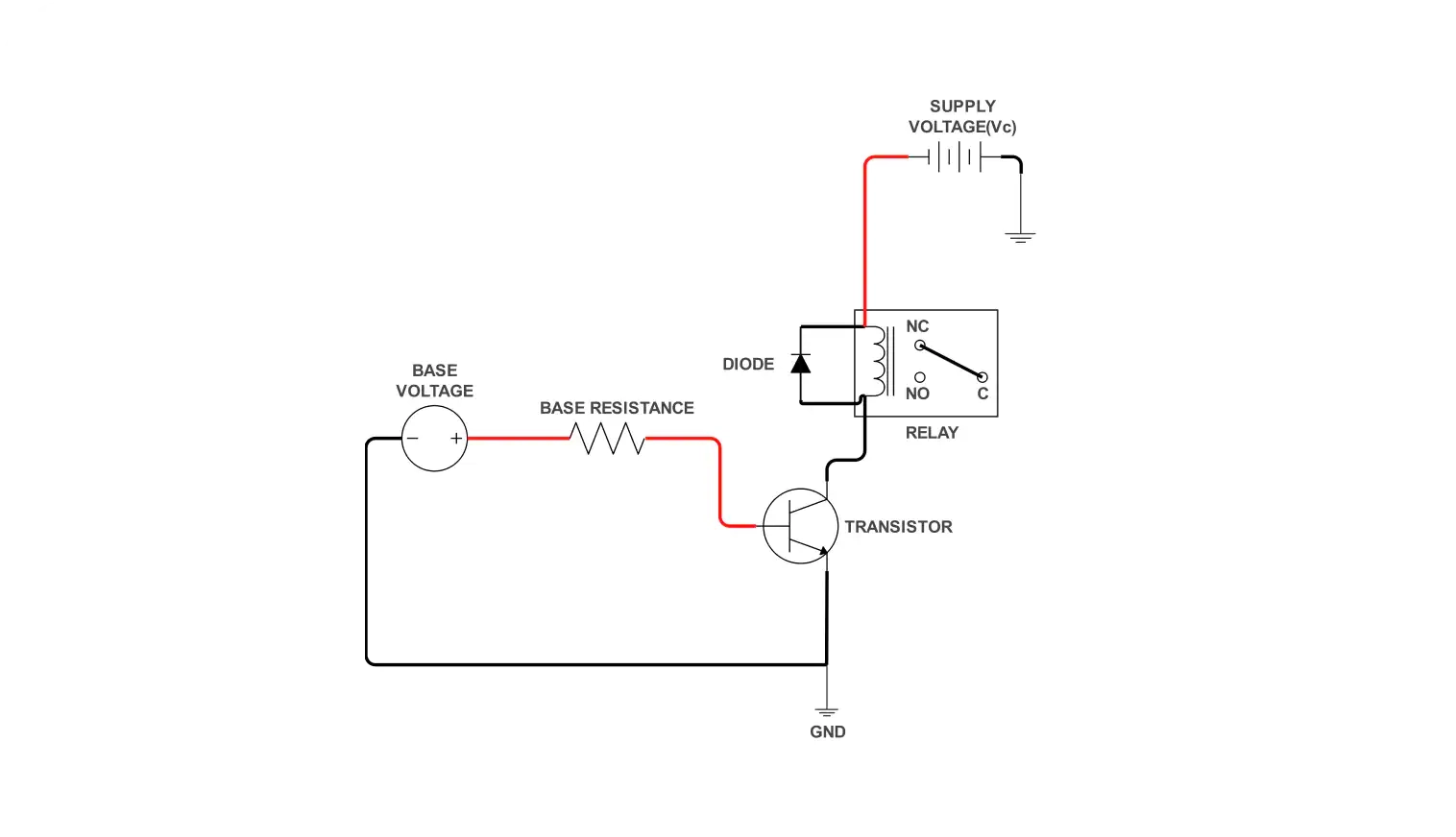
Wiring Diagram Of A Relay
Wiring Diagram Of A Relay
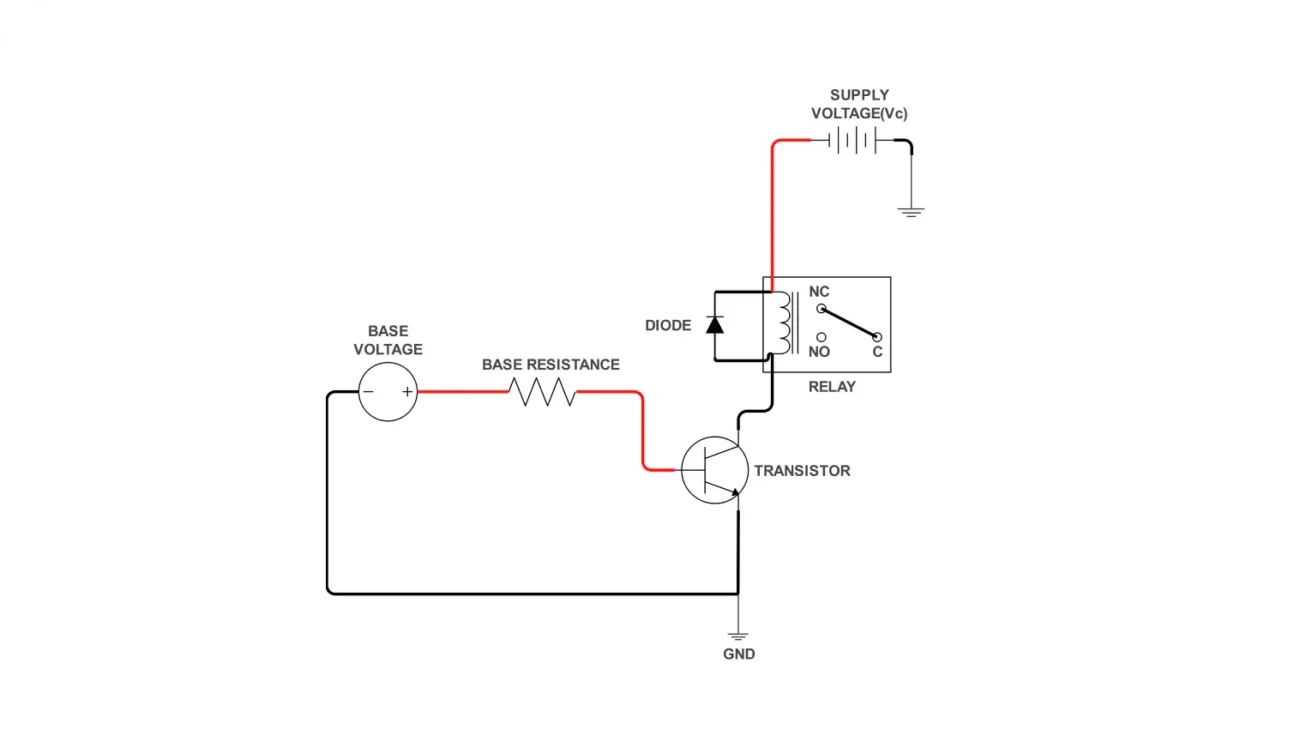
The wiring diagram of a relay typically includes symbols representing the relay’s terminals and connections. Each terminal has a specific function, such as input, output, or ground. Understanding these symbols is key to effectively using the diagram.
When examining a wiring diagram of a relay, pay attention to the coil terminals. These are where the control voltage is applied to activate the relay. The other terminals connect to the load, allowing current to flow when the relay is engaged.
It’s also important to note the configuration of the relay. Some relays are normally open (NO), meaning they only close when activated, while others are normally closed (NC), which remain closed until activated. This distinction affects how you wire your circuit.
By mastering the wiring diagram of a relay, you can enhance your troubleshooting skills and improve your understanding of electrical systems. This knowledge empowers you to tackle various projects with confidence and precision.
In conclusion, learning about wiring diagrams for relays is invaluable for anyone involved in electrical work. With practice and patience, you’ll find it easier to navigate these diagrams and apply them effectively in your projects.
